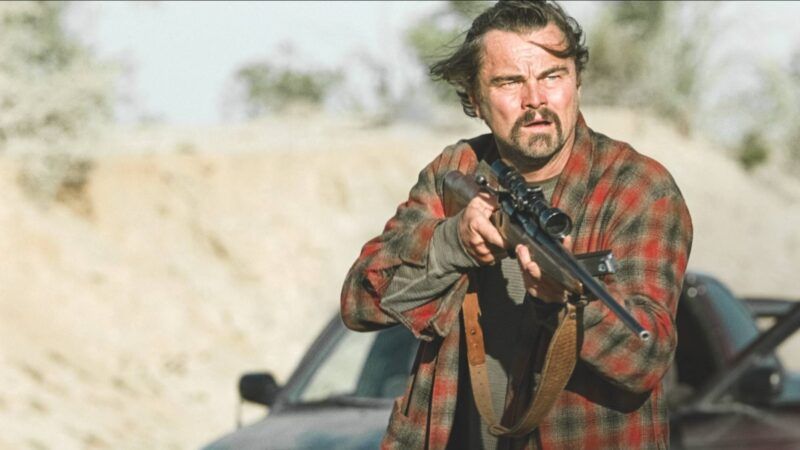


Paul Thomas Anderson’s One Battle After Another is his most expensive movie to date, and you can feel both the budget and the ambition pressing on the screen. While PTA is one of my favourite directors of all time, Leonardo DiCaprio is the ticket-seller here. But the real question is whether audiences will actually like it. At my screening, we even had a couple of walkouts. Not always a bad thing, but definitely worth noting. The simplest way to describe it is PTA by way of the Coen Brothers, with that blend of absurdity and gravity and characters bumbling through violent and bleak scenarios that edge into dark comedy.
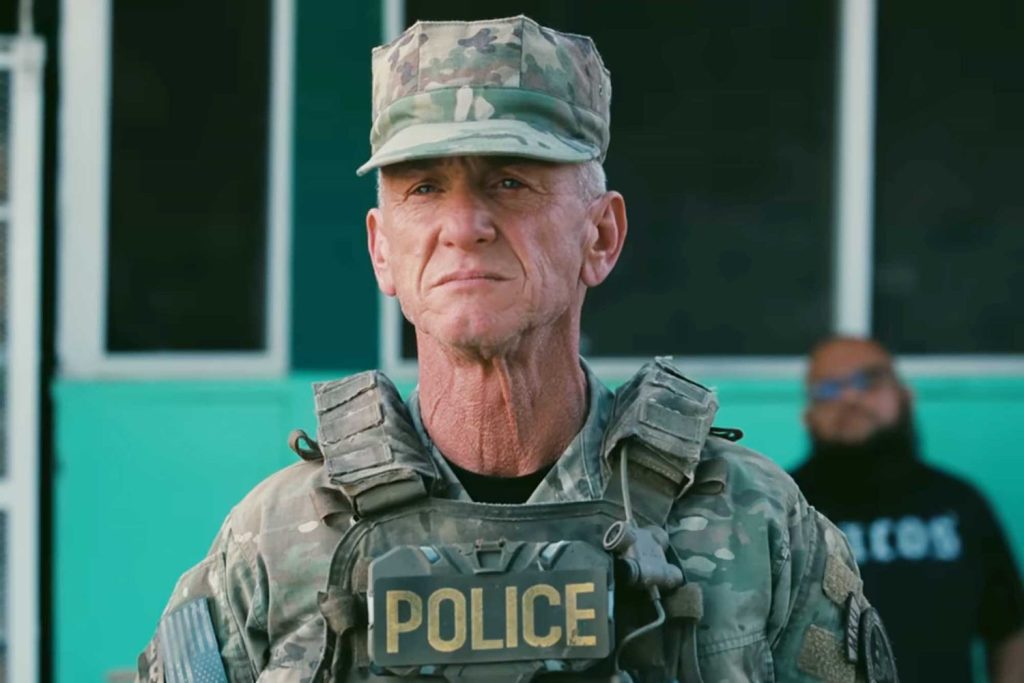
One Battle After Another is based on a book called Vineland, by Thomas Pynchon. DiCaprio plays a former domestic revolutionary who is forced out of hiding when a vindictive military leader, played by Sean Penn, come for him and his daughter.
The first hour is strange in that it both moves too fast and feels like it could have been cut entirely. There are some story benefits to having it, but in the big picture, it could almost have been told in flashback without losing much. The movie doesn’t really feel like it clicks until DiCaprio sets out with Benicio del Toro to find his daughter. That’s when it starts to pulse with real energy.
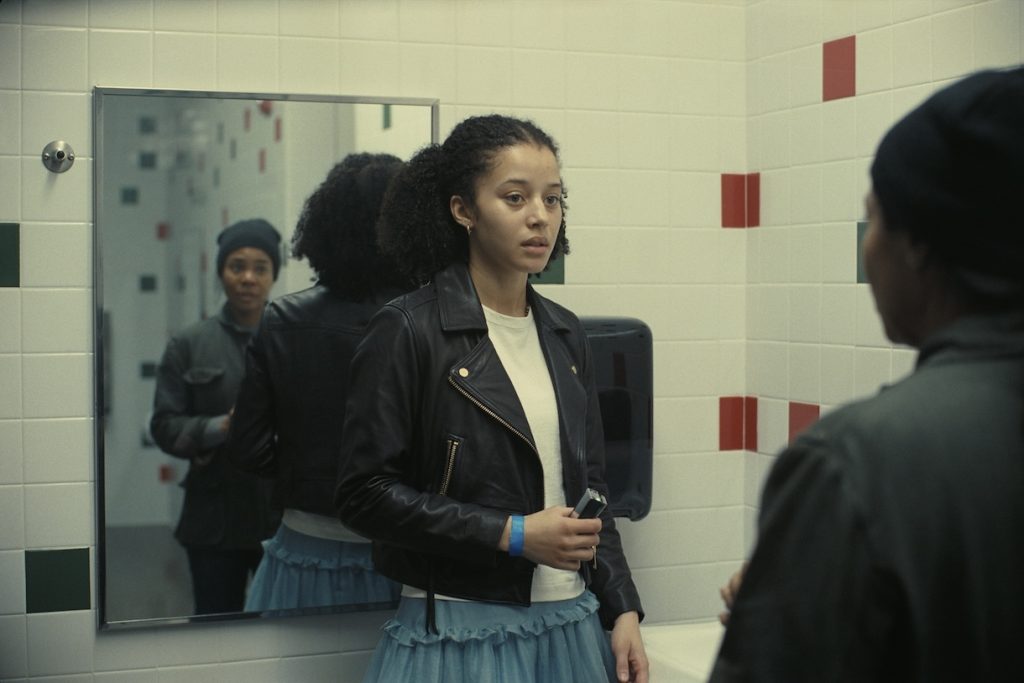
The acting is, unsurprisingly, fantastic. DiCaprio’s Bob has this wild-eyed, messy-haired energy, channeling a kind of forty-something Jack Nicholson with a healthy dose of the Dude from The Big Lebowski. Sean Penn creates one of those unforgettable weirdos that stick with you long after. Bob’s romantic partner and the mother of his daughter, Perfidia, is played with unhinged intensity by Teyana Taylor. She’s fascinating in the role, but also, as my wife pointed out, oversexualized. Chase Infiniti plays their daughter, Willa. She’s excellent, and the connection between her and DiCaprio provides much of the film’s heart. That said, it’s the partnership between DiCaprio and del Toro that’s electric; when those two share the screen, the movie sings.

Once the plot truly kicks in and the chase is on, Anderson proves again how well he can make a long movie feel like it’s flying by. There are moments of real propulsion, from an artfully grimy, hilly car chase to bursts of wry humor that break up the darkness. Jonny Greenwood’s score binds it all together with elegance and unease, even hinting at some of the piano textures of Magnolia. (One Battle’s score doesn’t sound like Magnolia’s, but it often drives the action forward musically in the same way).
Anderson doesn’t get overtly political here, though there’s always a simmer of crime, corruption, and revolution in the background. What he’s really interested in is family, responsibility, and the question of what it means to be a father. Even a father who’s a complete mess. That relationship, flawed and tender, grounds the movie.
So, is One Battle After Another the best movie ever made? Or the best PTA film? Well, no. Is it a brilliant movie with some flaws? Yes. But if there’s one thing about PTA, it’s that his movies get better with each watch; even his strangest work has a way of revealing itself on repeat viewings Well, except maybe Inherent Vice (another Pynchon novel). I still can’t find a way into that film. Anyway, my point is that even if I have some misgivings with One Battle After Another, PTA is too smart, too attuned, to dismiss, even when pieces don’t fully land on the first pass. As it stands, it is easily one of the best films of the year.

