
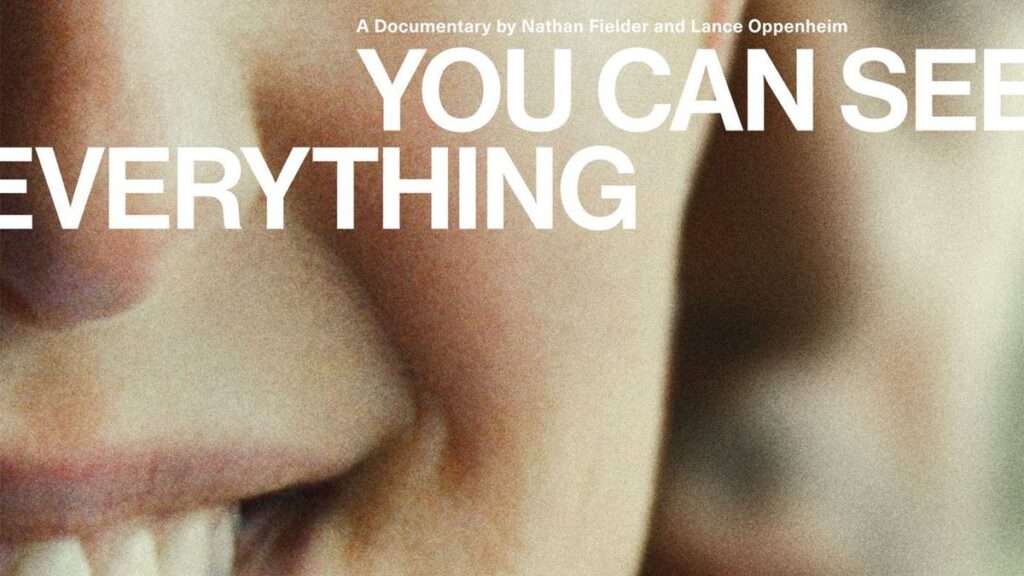
I had a few false starts to my review for the new A24 film, You Can See Everything. It just felt like the writing and ideas pouring out of my head after seeing the movie should have been loftier. I had the notion that I should at least attempt to write something amazing and different to try and honour the level of what the film was doing. But then I realized that I’m already going to be unpacking this movie in my head for weeks, so my best bet was just to go for it.
The premise of the film is really quite simple. Co-directors Nathan Fielder and Lance Oppenheim, as well as a small film crew, embedded with disgraced tech mogul, Elizabeth Holmes. She had 34 days left with her husband and two (very small) children, before she was expected to report for an 11-year prison sentence for fraud and conspiracy. Of course, in true Fielder fashion, the movie takes on a life of its own and the filmmakers go where the story leads them. I should also note that I will have to talk around a lot of the film because it is absolutely filled with surprises that I don’t want to ruin for you. Everyone should really see it before the internet is filled with those spoilers.
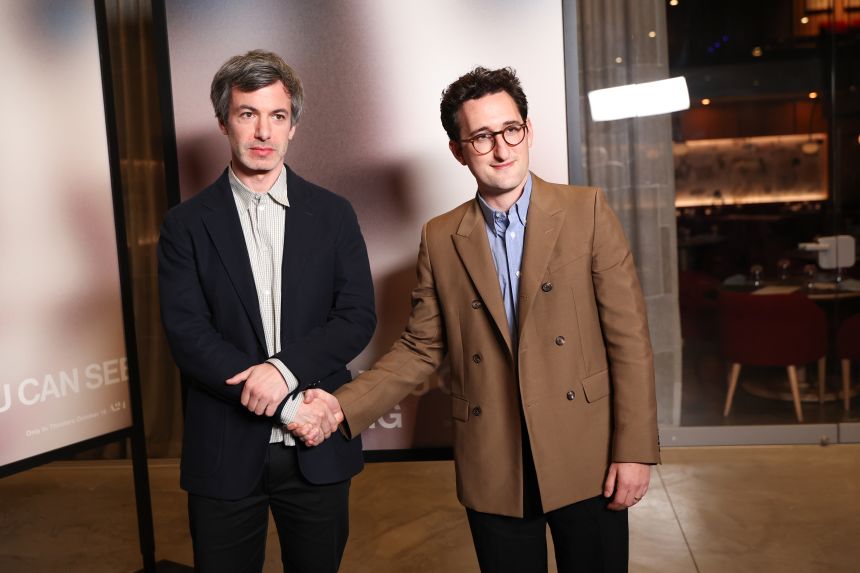
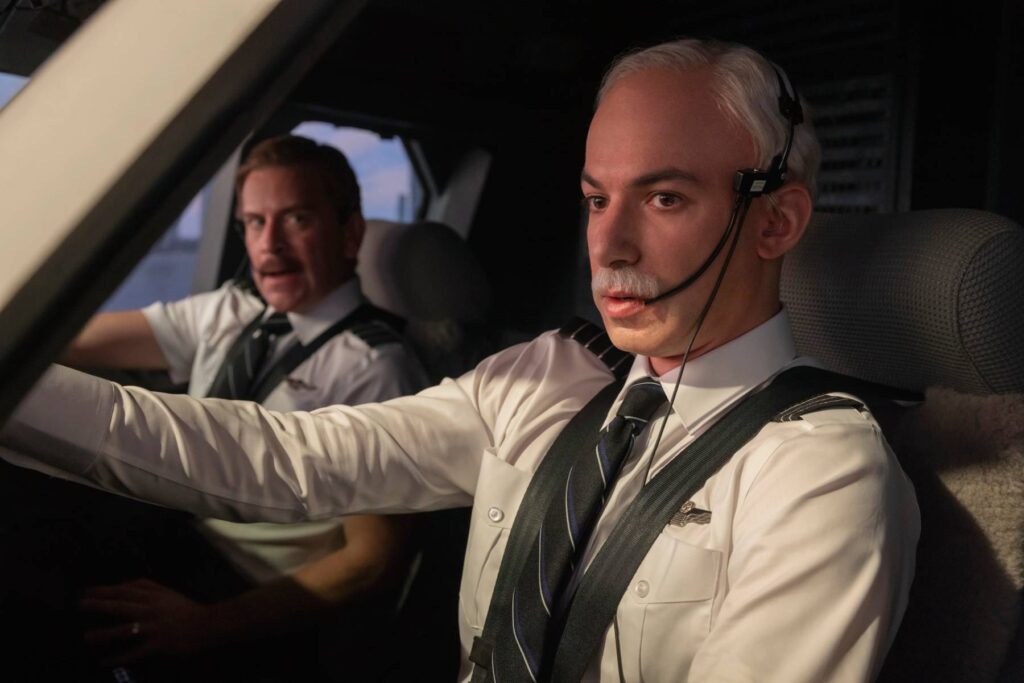
I was less familiar with Oppenheim, though he has a couple of interesting-looking docs I’m going to check out. He also directed Primetime (the Chris Hanson/To Catch a Predator movie). I’m much more familiar with, and enamoured by, Nathan Fielder. He can be divisive, but I fell into his show Nathan for You a few years ago, a hilarious take on reality TV. However, it was his more recent show, The Rehearsal, that blew me away. Season one starts with a similar high concept premise to Nathan for You, but eventually goes so far off the rails that by the end of the season, I was convinced he had actually transcended television. He had made something so completely brilliant and different than almost anything I’d ever seen before. And he doubled down with season two (even secretly earning a commercial pilot’s license). The show is a glimpse at the revelation of what a medium can truly be when the restraints melt away. You Can See Anything plays in a similar sandbox.
I knew the movie was going to be big when I bought tickets for a weekend matinee in Saskatoon (aka, the middle of nowhere, as far as box office is concerned) and saw that the theatre was already packed. This isn’t usually the case on a Sunday at noon, let alone for a three-hour documentary about the tech industry. I would credit both Fielder’s growing legion of nerd fans like me, but more so, the weird trailer that launched 1000 memes. This week, it’s turning into a FOMO thing pretty quickly.
I should also note that you should see this movie in a packed theatre. The sentiment the last few years has been that there are ‘theatre movies’ and ‘wait to watch at home movies.’ You only go to the theatre when Tom Cruise is clinging to the side of a plane or there’s a Marvel crossover bonanza. When this idea of ‘wait to watch it at home movies’ became a thing a few years back, I talked about it on the radio. As an example of things people used to go see, I mentioned When Harry Met Sally. People texted in to complain that I was wrong. By this point, people were so entrenched in the idea that without spectacle you don’t need a theatre that they didn’t believe a movie like When Harry Met Sally would ever have been a major box office hit.
But it was.
It made a hundred million dollars domestically (on a budget of about $16 million). By today’s standards, that’s performing like a $250 to $280 million dollar hit. It’s not quite Spider-man: Brand New Day dollars, but it’s pretty significant for a romantic comedy. (Bear with me, I’m going somewhere with this).
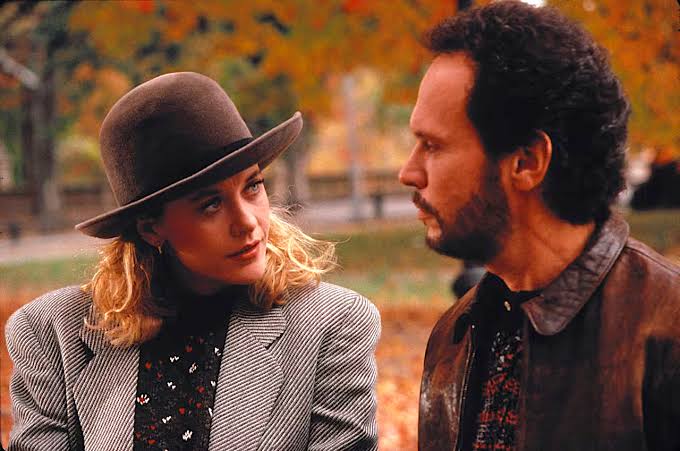
My point is, we used to go to the movies for more things than CGI spectacle. We went to be entertained, sure. But we also went for ideas; to learn, to think, to discuss, to be moved, to get in on the public conversation. The studios haven’t done themselves any favours by pushing us away from this in pursuit of the obvious, low hanging franchise dollars. And eventually, as it has happened several times in film history, fatigue of the currently big genres eventually sets in and puts the movies in danger.
Film is an artform I love desperately, but lately, I have begun to mourn its passing as the dominant artform of the 20th century. However, You Can See Everything made me giddy with the optimism of possibility. Could it be that 2026 is the start of a sea change? The kind we saw in the mid-60s/early 70s (see Mark Harris’ awesome book Revolution at a Picture) or during the 90s indie boom (see Down & Dirty Pictures, by Peter Biskind). This year brought us surprises of both pop culture and box office with Obsession, Backrooms, and now You Can See Everything.
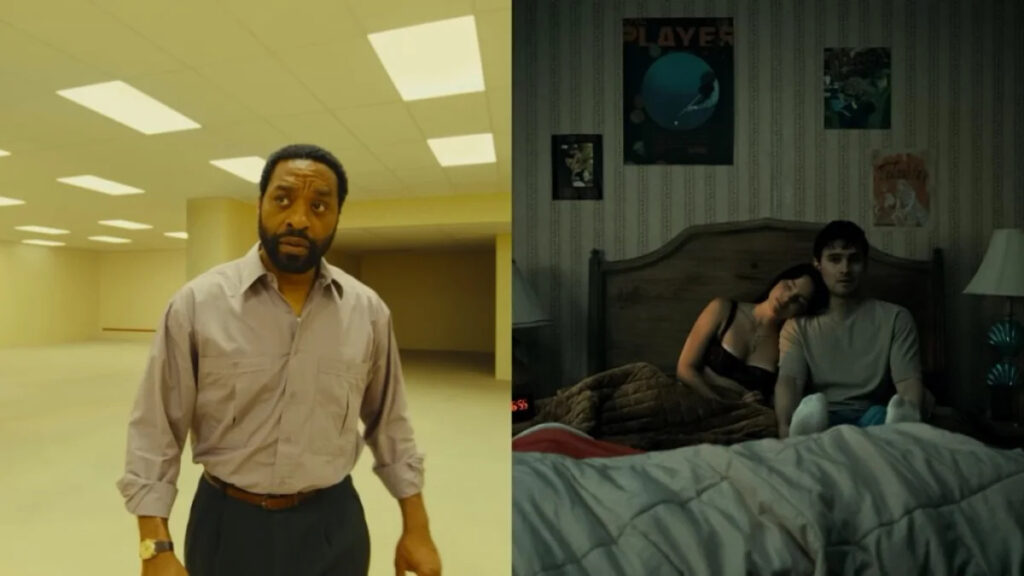
Has this shift affected the way that audiences, especially young people, are thinking about the act of theatre-going? I’m not suggesting that documentaries will become the next big thing, but if the pendulum is swinging back to original, interesting films, well then, we may have a shot yet. Because studios will chase the dollars, perhaps open up some windows and let some fresh air in, if that’s what the audiences respond to. And let me add, that you should see You Can See Everything in a theatre with as many people as possible. In my screening, it brought a room of strangers together in laughter and often disbelief in what they were witnessing.
Okay, geez, I’ve barely said anything about the movie. I wonder if this review is becoming Fielder-esque after all?
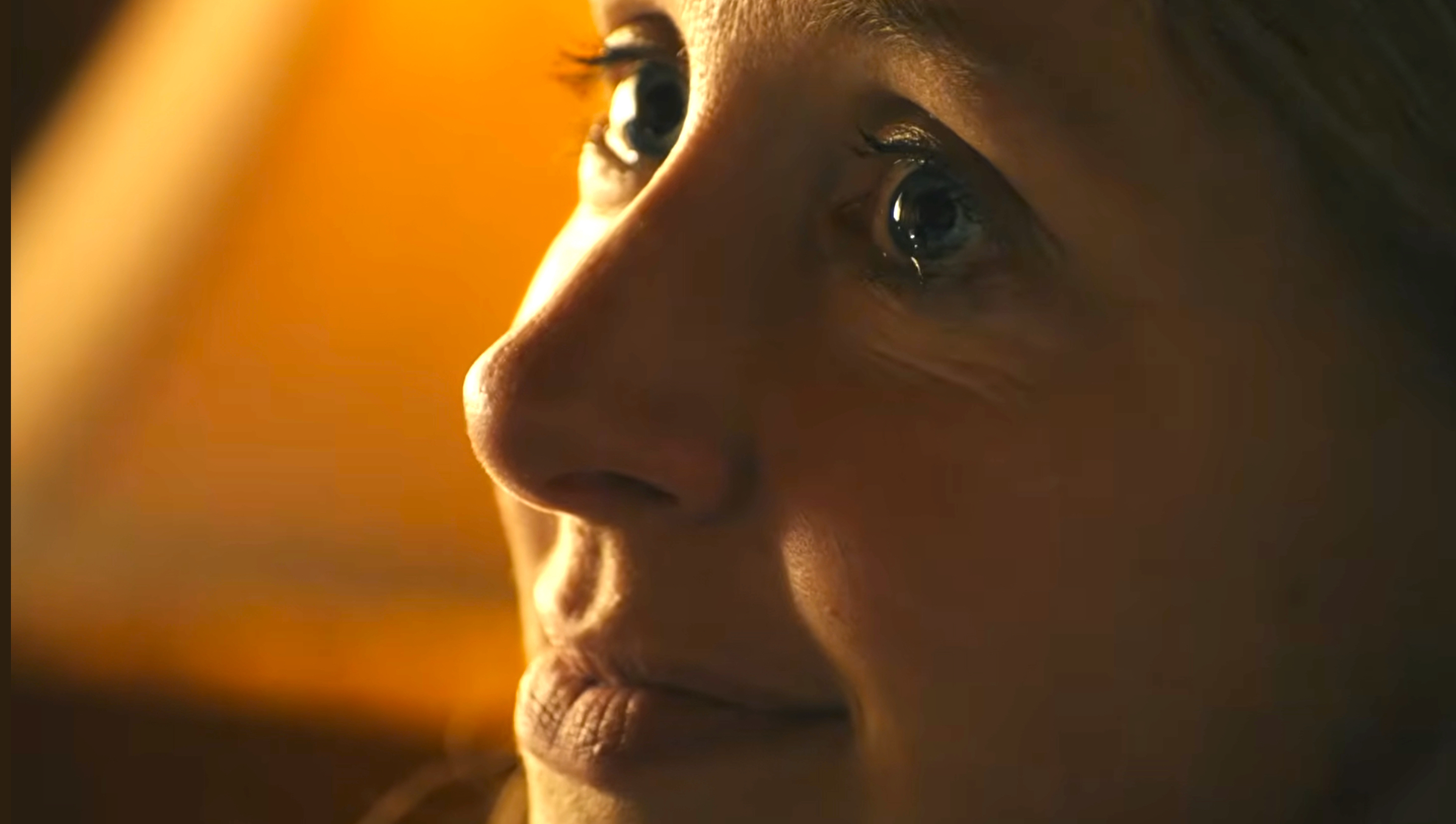
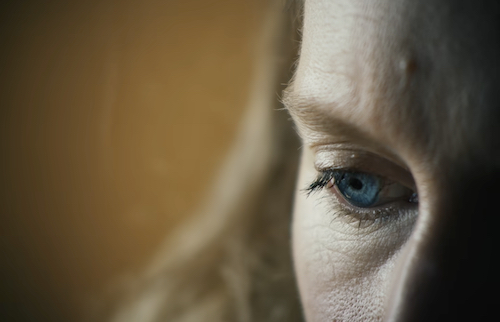
Speaking of seeing the movie in the theatre, just because it’s a documentary, doesn’t mean it’s all boring talking heads. It is cinematic in many ways. There are some wonderful shots and lighting, but also a style that often utilizes extreme close ups, a stylistic expression of the movie’s own examination of the truth. I thought a lot about the blackheads on my own nose as I saw straight into the very souls of the people up on screen through the pores on their faces.
The movie has a lot of threads and even more themes, including (takes deep breath for big list): power and money, family, friendship, love and loss, science and healthcare, technology and humanity, neurodivergence, abusive relationships, trust, manipulation, identity, perception, and representation in media. It’s even about filmmaking and storytelling. But mostly, as the title implies, You Can See Everything is about truth.
And yet, for a film about truth, it has many more questions than it has answers. It asks, what is truth, anyway? What is a documentary? How can you really know what’s happening in someone else’s head? How can you really know what’s happening in your own head? What are lies? What is reality?
The filmmakers deconstruct the very idea of a documentary. Fielder even calls his own objectivity into question eventually. Was Holmes one of the greatest con artists of all time or is she a victim herself? Is she neurodivergent in some way or is that all an act? After you see the movie, read the excellent Wired interview with Fielder. Even he isn’t quite sure what he saw, what really happened while he was there, or what to believe about their intentions. It’s a fascinatingly meta experience, confounding in the best ways, and even quite emotional at times. It can be funny, heartbreaking, and mysterious (it’s bolstered by an excellent, Hitchcockian score by Ari Balouzian).
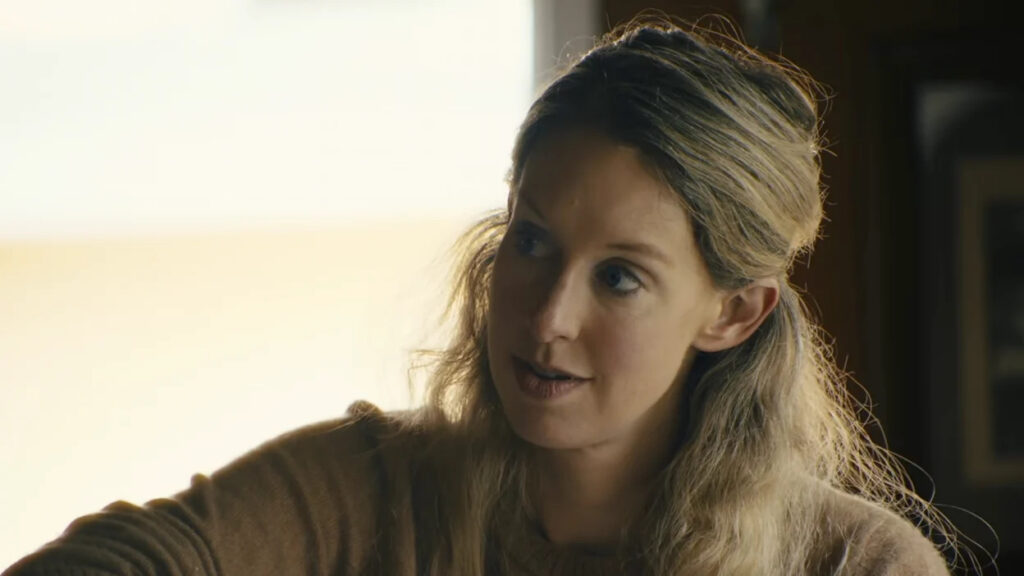
I’m willing to hang it out there — You Can See Everything is one of the best movies of the 21st century so far. However, more than this, it is a movie of its time. It may be the most 21st century film so far. Is this hyperbole? I don’t think so. Allow me to explain:
In 2005, Stephen Colbert coined the term, ‘truthiness.’ We started to find ourselves in a world where people believed what they felt more than what the facts supported. For example, the more crime we see in the news and on social media, the more we believe crime is increasing, even when falling statistics tell us otherwise. Our perception becomes truth.
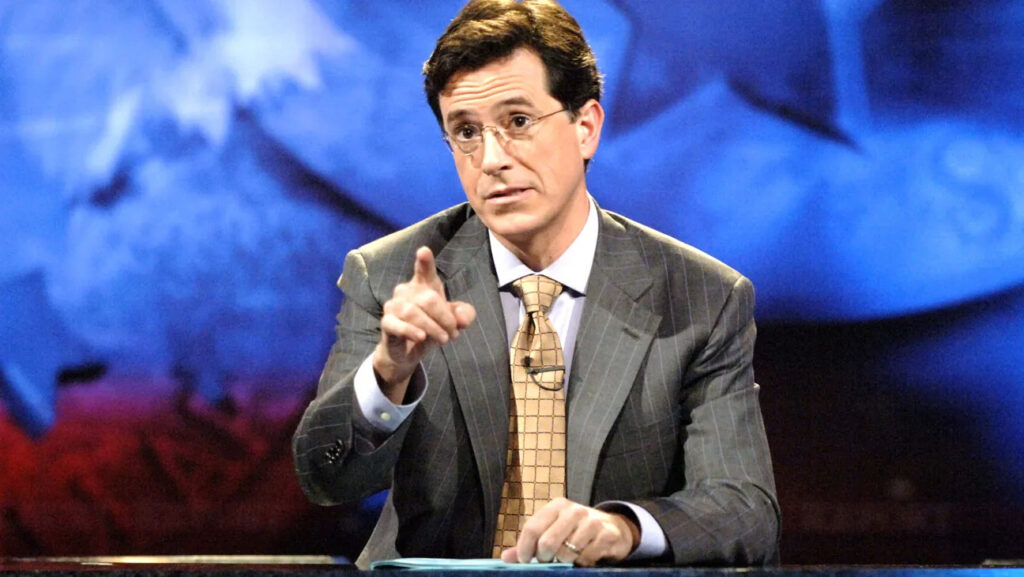
Twenty years later, Colbert’s satirical joke feels prophetic. In the age of Trump, Orwellian doublespeak, AI-generated content, deepfakes, bots, algorithm-driven misinformation, and all that fun stuff, we’re constantly trying to figure out what’s real and what isn’t. When everything has the potential to be a fabrication, when anything can be dismissed as fake, the reality we all share starts to collapse. Rather than becoming more insistent on truth, we’ve retreated further into truthiness, emotion, and partisan politics. We believe what feels right to us because figuring out what’s actually true is fucking exhausting.
You Can See Everything isn’t about that, but it is. And it captures it, this zeitgeist of the 21st century, so magnificently. It becomes more about how Fielder feels about himself and his own bearings in relation to not just truth, but reality itself. So, people may be drawn in and entertained by the bizarre things they see up on the screen, the weird story Oppenheim and Fielder are telling, but it touches people more deeply because it’s what we’re all living through right now.
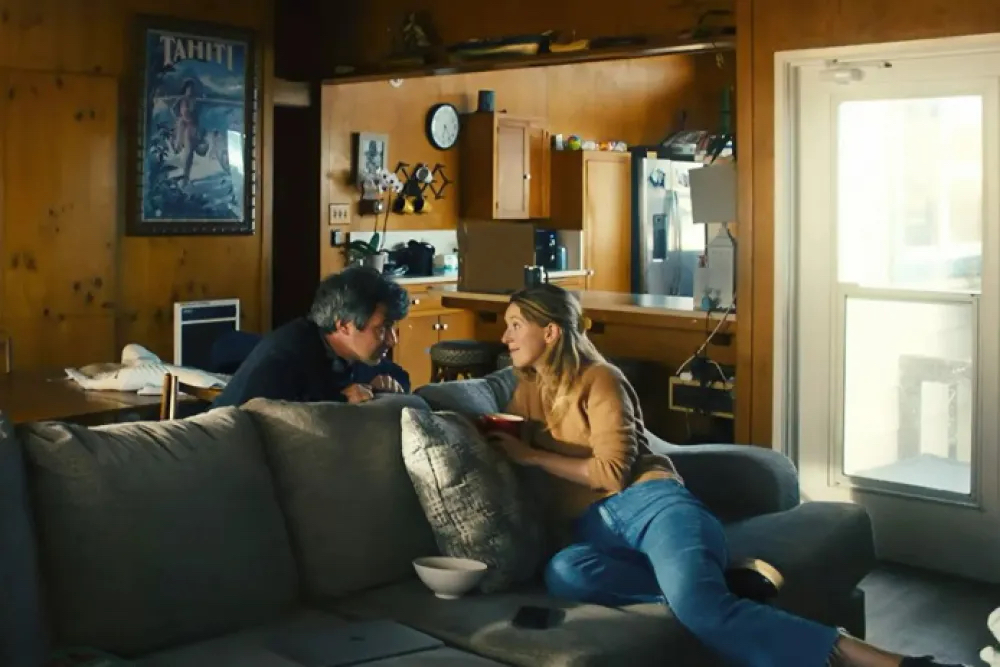
Does You Can See Everything transcend the movies the way The Rehearsal transcended television? Was Holmes full of shit, while at the helm of Theranos or when Fielder was trying to figure her out? Did we learn anything about her, or about ourselves, through this examination? Can we really know what’s inside someone else’s head? Can we really know what’s in our own head?
Was this even a movie review?
